

Living on the Gulf Coast means hurricane season is a way of life. As storms roll through St. Petersburg, Tampa, Clearwater, Largo, Seminole, Pinellas County, and the wider Tampa Bay area, your roof faces constant exposure to rain, intense wind, heat, and the salt air. Yet, not all roofing problems caused by these storms are immediately obvious. Many homeowners only realize there’s damage weeks, or even months, after the last hurricane has passed. Understanding the subtle warning signs and why prompt inspections matter can help you protect your investment and avoid expensive repairs down the road.
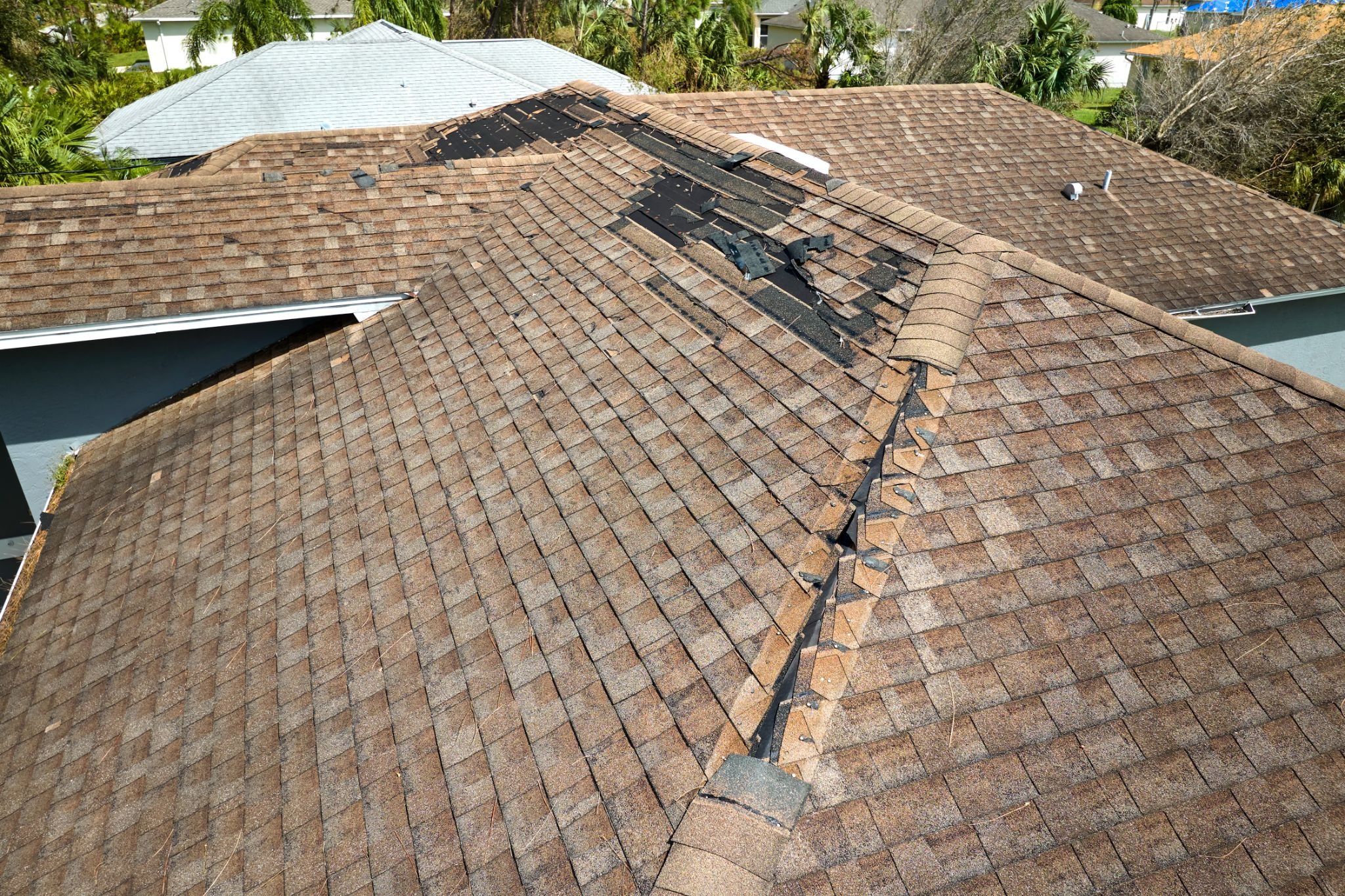
Hidden Leaks That Develop Over Time
One of the most common issues seen after repeated hurricane exposure is the occurrence of hidden leaks. Water can seep under lifted or cracked shingles but may not appear as an interior stain right away. Instead, you might notice musty odors, increased indoor humidity, or patches of blistered paint. Sometimes, leaks remain behind walls or in attic insulation for weeks before surfacing. Ignoring these early indicators can lead to widespread water damage, mildew, and even structural issues that impact the integrity of your roof.
Compromised Flashing and Penetrations
Hurricane-force winds often damage or loosen roof flashing, the thin metal installed around vents, skylights, and chimneys to redirect water away from critical areas. In Florida, salt air further corrodes flashing material over time, creating tiny gaps where water seeps in unnoticed. After a storm, it’s common for homeowners to overlook these areas because the flashing may look intact from the ground. If left unchecked, compromised flashing can lead to pooled water around entry points, gradually weakening the underlayment and support structure.
Lifted or Missing Shingles
While it might be easy to spot a missing shingle, the more subtle sign of wind-lifted shingles often goes undetected. High winds can slightly raise shingles, breaking their adhesive seal without fully tearing them off. This creates an entryway for water to penetrate during subsequent storms. Over time, the frequent rain and humidity in the Tampa Bay region accelerate shingle degradation, leading to premature aging. If you notice granules from your shingles collecting in gutters or downspouts, it’s a signal that your roof may be suffering and could benefit from a professional roof inspection or roof repair service.
Moisture Intrusion and Mold Growth
Florida’s tropical climate means any lingering moisture after a hurricane can quickly become a breeding ground for mold and mildew. Moisture intrusion is not just a health hazard; it can rot wooden decking and insulation beneath your roof. Signs include dark streaks on attic beams, a persistent damp smell, or even small sprouts of mold on ceilings. Routine inspections help detect these concerns early, allowing for targeted roof replacement or repairs before they escalate.
Why Regular Roof Inspections Are Essential After Hurricane Season
Routine maintenance is a homeowner’s best defense against major post-hurricane roofing problems. Professional roofing companies serving Florida neighborhoods are trained to spot even the most subtle signs of damage. Scheduling an inspection after the season ends, rather than waiting for visible leaks or damage, helps identify problems when they’re still manageable. Timely action protects your home from costly repairs and extends the lifespan of your investment.
Schedule Your Hurricane Season Roof Inspection Today
If you live in St. Petersburg, Tampa, Clearwater, Largo, Seminole, Pinellas County, or anywhere in the Tampa Bay area, don’t wait for small issues to become big problems. Get peace of mind by scheduling a roof inspection with A Old Time Roofing. Call (727) 824-9996 or fill out our online form today to connect with a local team that puts your home’s safety and durability first.