

Living in Florida, and especially the Tampa Bay area, means you’re no stranger to hurricane season and the serious concerns that come with high winds, intense rain, and sudden storms. Your home’s roof serves as the first line of defense against these natural forces. Choosing the right hurricane-resistant roofing option not only provides peace of mind, but also reduces the risk of costly repairs and disruption when storms make landfall.
What Makes a Roof Hurricane-Resistant?
A hurricane-resistant roof is designed and constructed to withstand extreme weather, including wind speeds that often exceed 100 mph in heavy storms. Key elements include strong materials, proper installation by a certified roofing contractor, secure fastening systems, and adequate roof shape and slope. Strong roofing also involves upgraded underlayment and advanced waterproofing solutions, which help keep water from penetrating beneath the shingles or tiles during wind-driven rain.
Top Roofing Materials for Florida’s Hurricane Season
While there’s no such thing as a “hurricane-proof” roof, some materials stand out for their wind resistance and durability:
Asphalt Shingles: When you choose high-quality, impact-rated asphalt shingles such as those offered under the GAF brand, you’re opting for materials tested to withstand wind gusts up to 130 mph. These shingles also allow for quick repairs and are widely recommended for Florida homes.
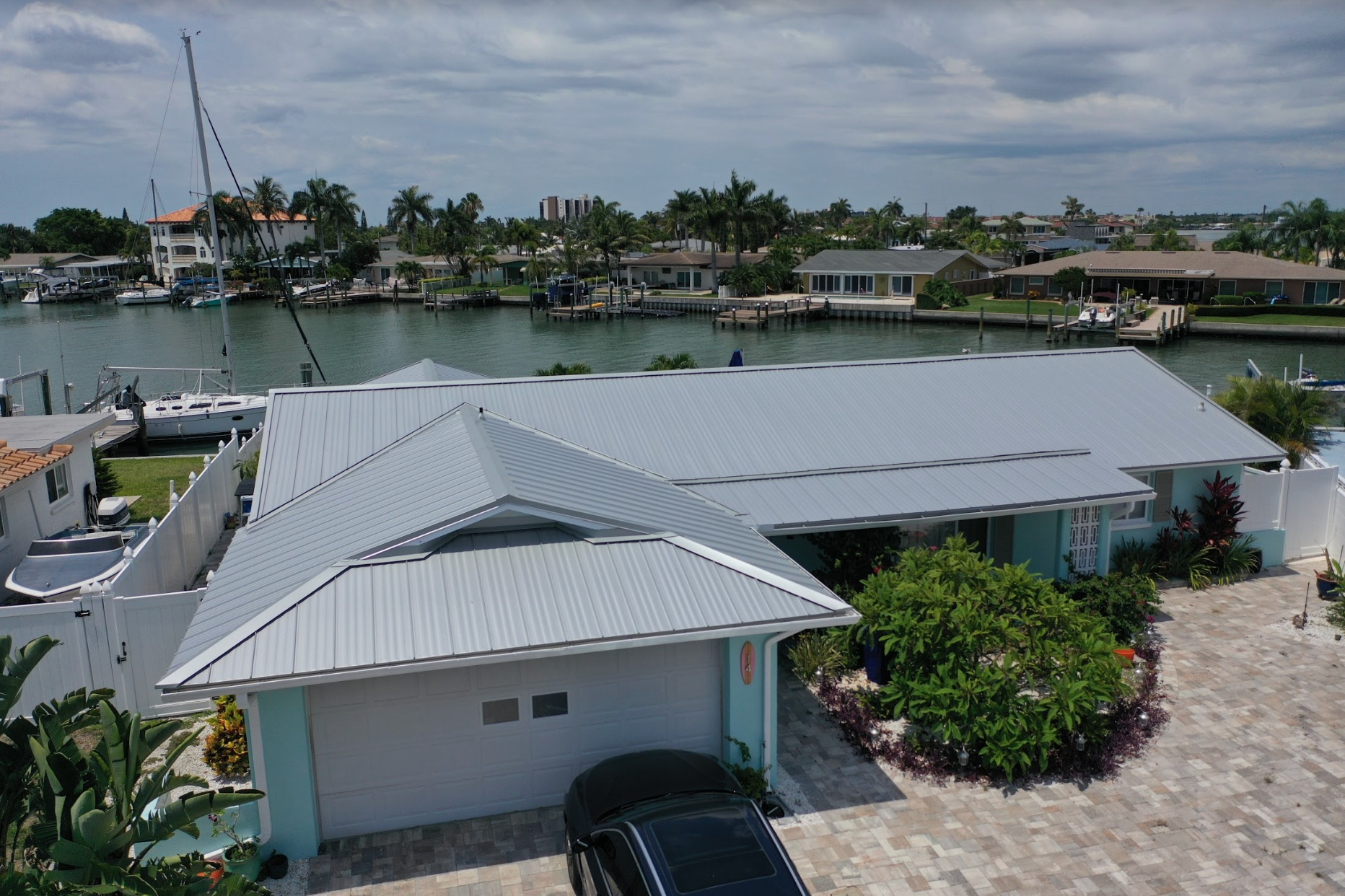
Metal Roofing: Metal roofs are rising in popularity throughout Tampa Bay. They are highly resistant to severe winds, often rated for up to 140 mph or more, and their interlocking panels provide superior strength. They also shed water efficiently, which further protects your home during a storm.
Concrete or Clay Tiles: While heavier, properly installed concrete and clay tiles can be very resilient. They require secure fastening and underlayment, but when installed by a professional roof replacement team familiar with local codes, they stand up well to the demands of hurricane-prone areas.
How Installation and Maintenance Impact Storm Performance
No matter which material you choose, the quality of installation makes all the difference. Florida building codes set high standards for roofing system installation, aimed specifically at hurricane protection. Professional roofing contractors use advanced techniques, including enhanced flashing, reinforced roof decks, and the right fasteners for shingles, tiles, or panels.
Regular maintenance is also essential to maximize your roof’s storm performance. That includes annual inspections, clearing debris, repairing loose shingles or tiles, and ensuring gutters and drainage systems are functioning. Preventative maintenance, especially before hurricane season, can help identify areas at risk so you avoid major leaks or even complete roof failure during high winds.
Additional Features for Maximum Hurricane Protection
To further protect your home, consider:
Roof-to-wall connections: Metal strapping and hurricane clips anchor the roof system securely to your home’s walls, providing additional wind resistance.
Secondary water barriers: These are installed beneath the primary roofing material as an extra shield against water intrusion, commonly recommended for homes in Pinellas County and surrounding areas.
Impact-resistant roofing options: Choose materials with a high impact rating to defend your property from flying debris, a common hazard during severe Tampa Bay storms.
Request a Hurricane-Resistant Roofing Consultation in St. Petersburg, FL
When you’re ready to upgrade your home with hurricane-resistant roofing in St. Petersburg, Tampa, Clearwater, Largo, Seminole, Pinellas County, or anywhere in Tampa Bay, trust A Old Time Roofing. As a GAF Master Elite Roofing Contractor, our team specializes in hurricane-ready roof replacements and repairs. Call (727) 824-9996 or fill out our quick online form to schedule your free consultation and storm-readiness roof inspection today.