

Storms in Florida are a regular occurrence, and for homeowners across the Gulf Coast, especially throughout St. Petersburg, Tampa, Clearwater, Largo, Seminole, Pinellas County, and the Tampa Bay area, severe weather can be especially harsh on roofs. Spotting the signs that indicate your roof needs replacement rather than just repairs can save you from costly structural damage and maintain the safety of your home.
Missing or Severely Damaged Shingles
After a heavy storm, one of the clearest signals that your roof may need replacement is the presence of missing, curled, or broken shingles. High winds, heavy rain, and hail can crack or completely remove shingles, exposing the underlayment to further weather damage. Shingle granules may also collect in your gutters or around your home’s foundation, which means your roof’s protective layer is wearing away. On homes with architectural or asphalt shingles, large bare spots or patches often show that repairs will not be enough to restore full protection.
Persistent Leaks and Water Staining
Recurring roof leaks or new water stains inside your home, especially on ceilings or upper walls—are strong indicators the roof’s integrity has been compromised. In many parts of Tampa Bay and Pinellas County, water intrusion can accelerate mold and mildew growth due to high humidity, causing not only structural problems but also health risks. If patching leaks seems only to delay the next drip, it is a sign your roof system is no longer viable and roof replacement is likely necessary.
Sagging or Warped Roofing Structure
Take a walk around your home and check for any sections of the roof that appear to be sagging, bowing inward, or otherwise uneven. In Florida’s frequently stormy conditions, an underlying sag could indicate trapped moisture, rot, or weakening of the roof deck. This problem is especially concerning because it often signals extensive and widespread water damage beneath the surface. A sagging roof is a critical safety issue; local roofers typically advise immediate attention and new roof installation in such cases.
Extensive Flashing or Underlayment Damage
Flashing acts as a barrier around chimneys, vents, and valleys. After storm activity, if you notice rusting, displaced, or loose flashing, or if the roof’s underlayment is exposed and deteriorated, your home is particularly vulnerable to leaks, not to mention pests. In the humid, rainy environment typical of Clearwater or Seminole, even minor breaches can escalate quickly, leading to more severe water infiltration and damage to insulation and framing.
Mold, Algae, and Rotting Materials
During Florida’s rainy summers, water trapped on or beneath the roofing material often leads to growths like algae and mold, especially if the roof has been compromised. Yellow, green, or black streaks and persistent dampness on roofing materials are warning signals. In advanced cases, wood or structural components may rot. Once rot takes hold, spot repairs rarely suffice; large areas of the roof may need replacing to restore the protective barrier your home depends on.
Contact A Old Time Roofing for Reliable Storm Damage Solutions
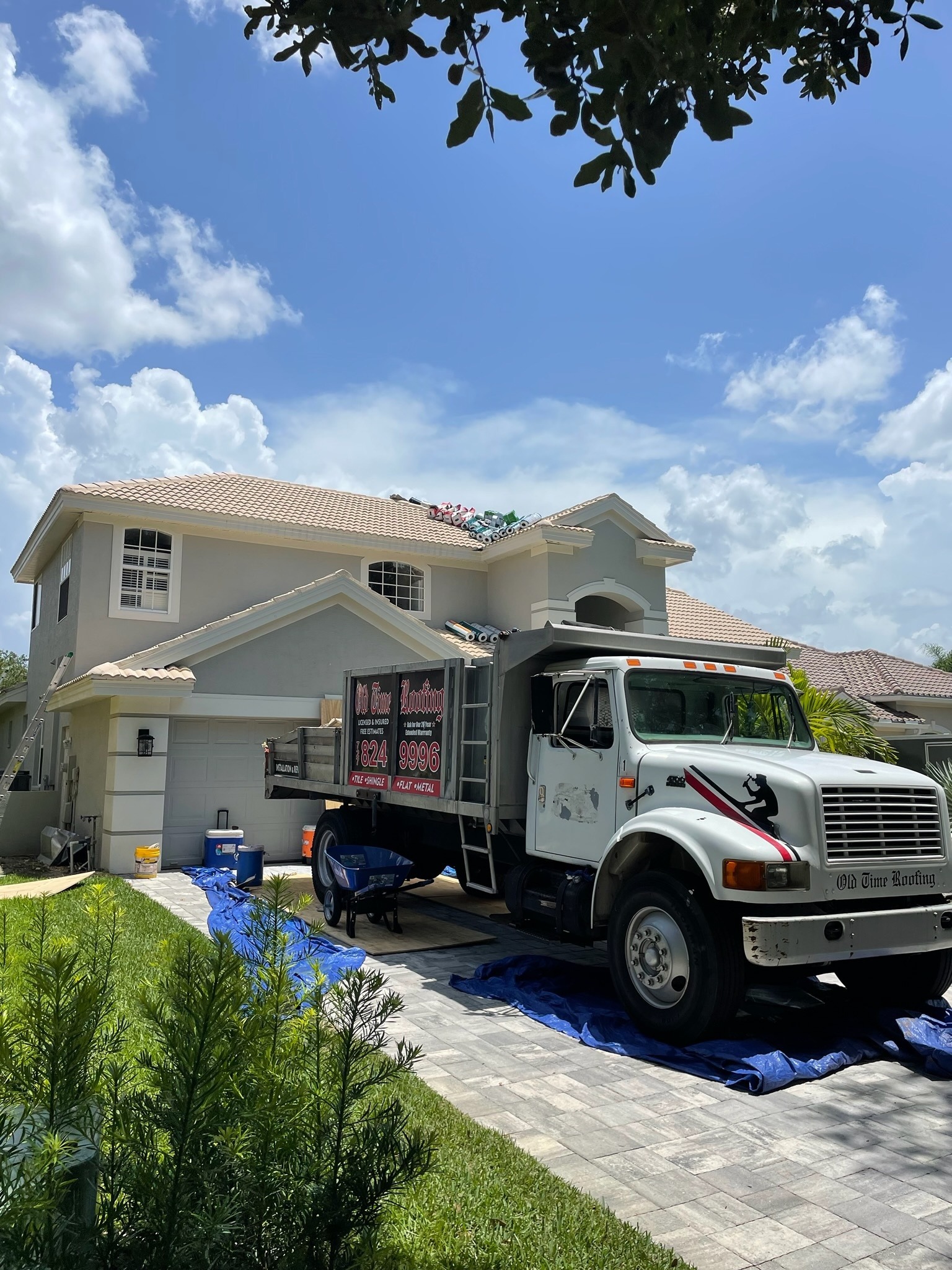
If you observe any of these signs after a storm in St. Petersburg, Tampa, Clearwater, Largo, Seminole, Pinellas County, or anywhere across Tampa Bay, trust the professionals at A Old Time Roofing. Their team offers thorough inspections, professional recommendations, and quality roofing services to restore your home. For prompt assistance, call (727) 824-9996 or fill out our quick online form. Protect your investment by scheduling your no-obligation roof assessment today.